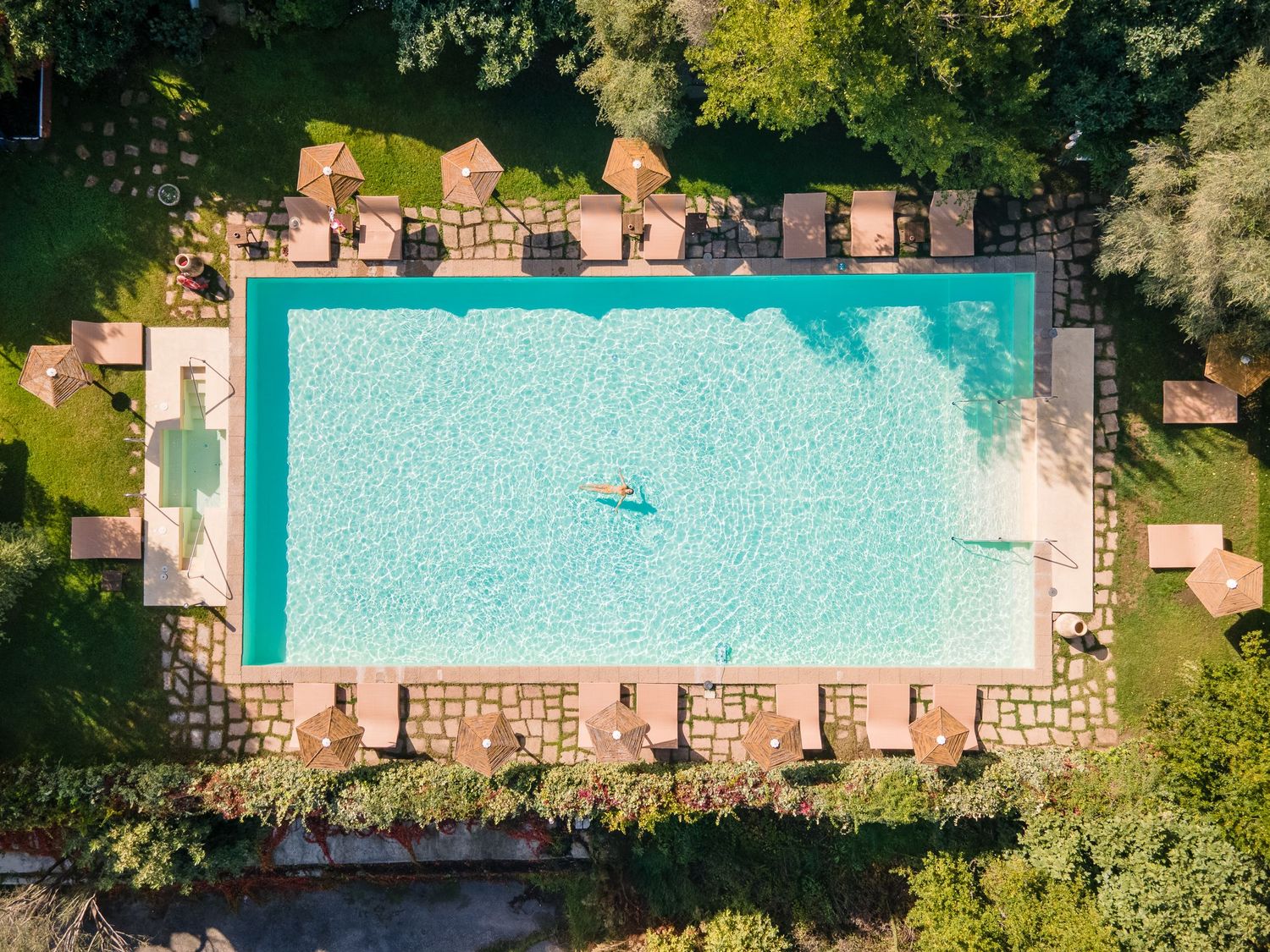

How to Price Your Photography Services with Confidence (Even If You’re Just Starting Out)
One of the biggest mindset blocks for photographers, especially in the early stages, is setting prices that reflect their value.
You’re not alone if you’ve ever thought:
- "I don’t have enough experience to charge that much."
- "I’m scared people will say no."
- "I don’t even know where to start."
Does that sound familiar? I thought so! Let’s fix that right now.
1. Understand the Value of What You Offer
Knowing your worth (and believing it) as a creative is so important in order to charge the rates you want. When we talk about your 'worth' and 'value', we're talking about the return on investment (ROI) clients can expect from working with you, and the impact your images will have on their business. This is an essential lesson you need to learn: clients don’t just hire you for photos; they hire you for:
- Visual strategy and real, measurable results
- Art direction
- Technical expertise
- Professionalism
- How they feel working with you
You're solving a business problem for them, whether that’s showing off seasonal dishes, elevating their brand, or driving more bookings. Price yourself for the results you deliver, not just the hours you spend shooting.
2. Know Your Numbers
Pricing confidently starts with financial clarity. If you don't know your own business numbers, how will you know what you need to earn to start turning a profit?!
Ask yourself:
- What are your monthly business and living expenses?
- What taxes do you need to pay?
- How many shoots can you realistically do in a month?
- What do you want your annual income to be?
Reverse engineer your pricing from there. It’s not about charging what others charge, but rather about building a sustainable business that pays you properly.


Images shot by Linda Hermans for Unilever & Knorr Professionals Intense Flavours Range.
3. Start With a Baseline Package
When you're just starting out, keep your pricing simple and clear. This will help you confidently share ball-park pricing when speaking with clients on calls or in meetings, minimising the chance of you clamming up and not knowing what to say (trust me, I've been there).
Create a core offer or base package that includes:
- A fixed number of deliverables (e.g., 10 images)
- A set time frame (e.g., half-day shoot)
- Pre-production (e.g., planning call, mood board)
- Post-production (e.g. colour correction and professional delivery)
- Basic digital usage rights (e.g. organic social media and website)
Then build in upgrades or custom add-ons as packages grow and increase in price. This gives you flexibility to scale as your confidence and experience grow.
To be clear, I don't suggest creating a rate card and sharing that with prospective clients as soon as they get in touch! Having core offers and packages makes it easier for you to estimate and give ball-park quotes if needed when having conversations, but I always recommend understanding the clients needs and budget in order to present a formal proposal and estimate for the project.
4. Create a Value-Based Pricing Model
Instead of charging by the hour or deliverable, base your pricing on the outcome and impact your work creates.
Ask questions like:
- How will these images be used?
- What is the commercial value to the client?
- What is their budget and how can I work within it without undervaluing myself?
This approach positions you as a creative partner rather than a vendor and opens the door for larger, long-term projects. Talk about the value of your services in proposals and client conversations, so it's clear to them what the return on investment will be - ultimately making it easier for them to say "yes" to your proposal.
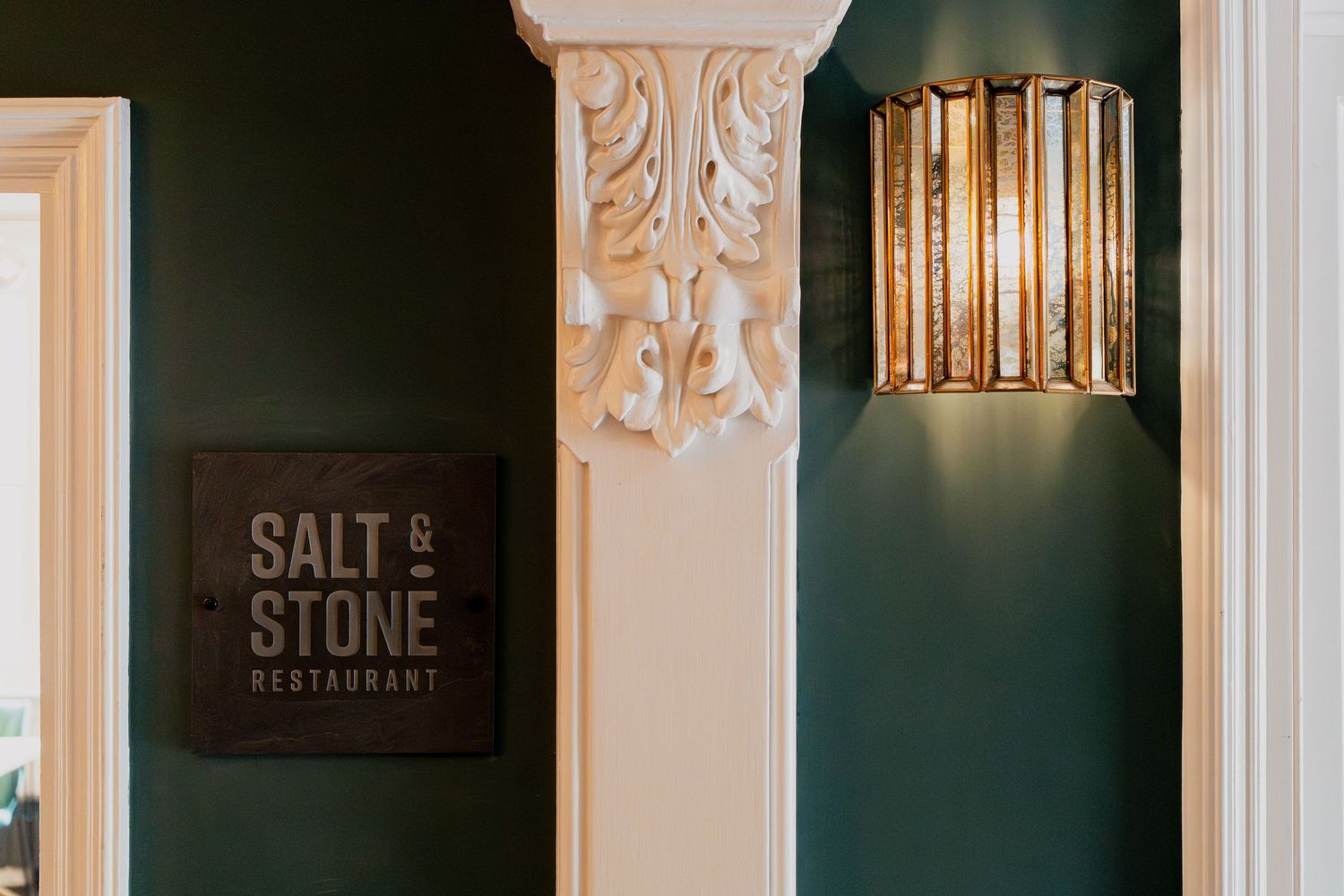
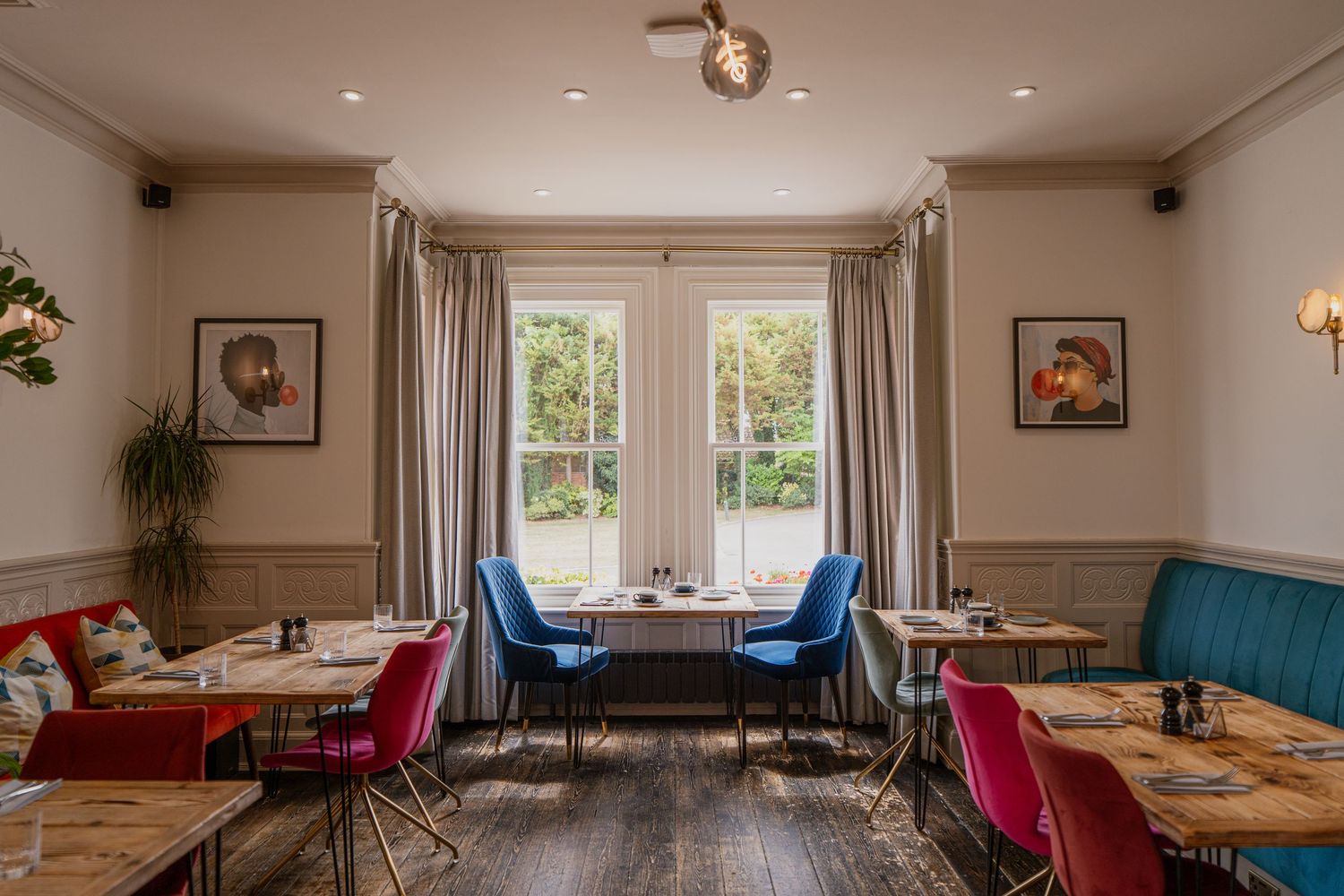
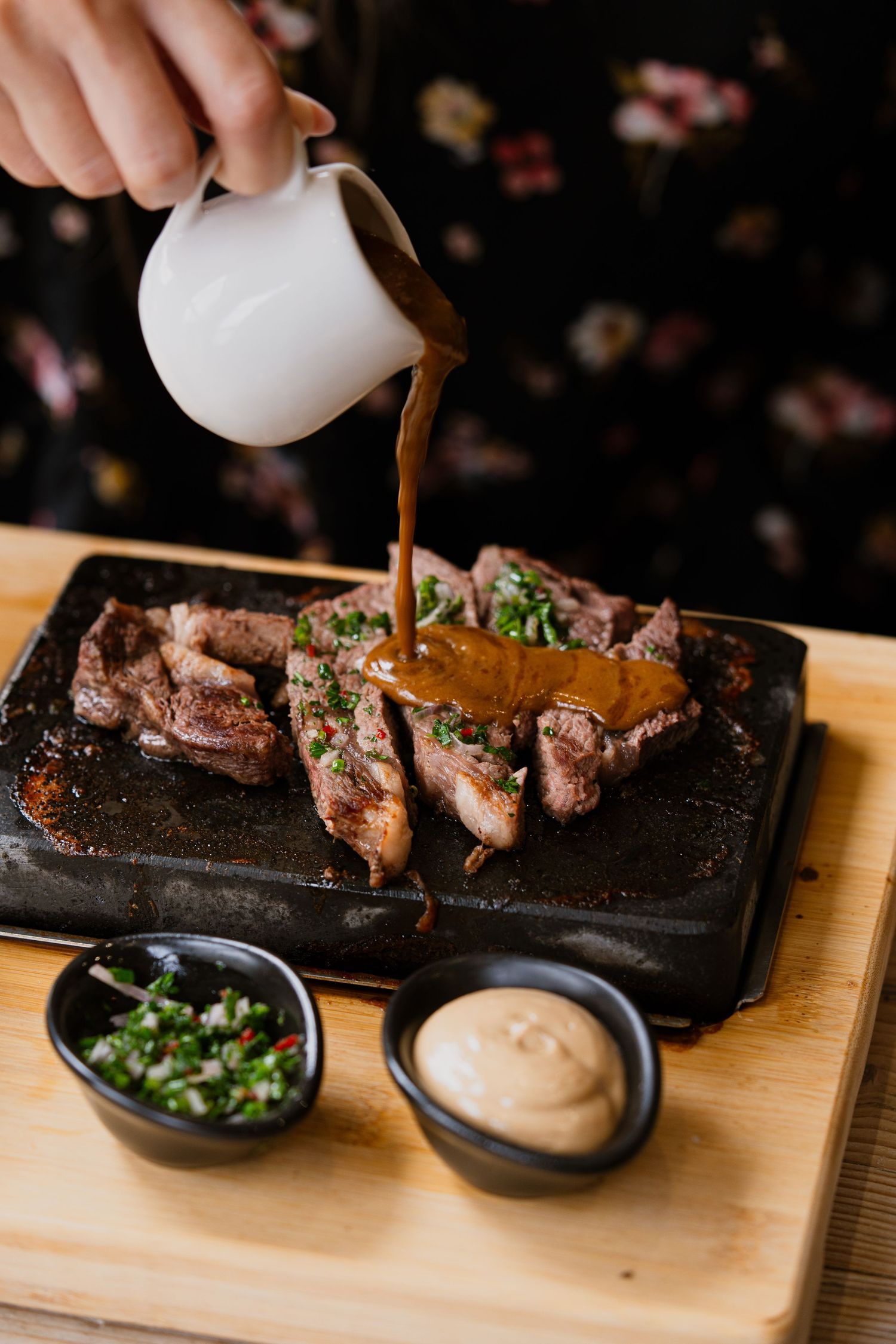
Images shot by Linda Hermans for The Lodge, Duxford.
5. Practice Talking About Money
If talking about pricing makes your stomach turn, you’re not alone! But the only way to get better at it… is to do it.
Role-play with a fellow photographer or mentor.
Book more calls with prospective clients - feel the fear and do it anyway!
Learn how to negotiate.
Most importantly: Don’t apologise for your prices. Stand behind them and the results you deliver.
Final Thoughts
Your pricing is a reflection of your mindset, your goals, and your value - not your follower count or years in business.
When you know your worth and build systems around that everything gets easier, including sales, boundaries, client relationships, and profitability.
And if you want support in building a confident pricing strategy that works for your dream clients, that’s exactly what I help photographers do inside my coaching program. Drop me an email if you'd like to hear more about how it works!